INTRODUCTION
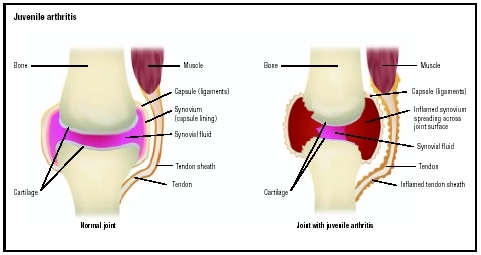
The most prevalent form of juvenile arthritis is juvenile rheumatoid arthritis, or JRA. It affects approximately 50,000 children in the United States. JRA also called juvenile idiopathic arthritis (JIA) because it is very different from adult rheumatoid arthritis.
Causes
It's not known exactly what causes JRA in kids. Research indicates that it is an autoimmune disease. In autoimmune diseases, white blood cells lose the ability to tell the difference between the body's own healthy cells and harmful invaders like bacteria and viruses. The immune system, which is supposed to protect the body from these harmful invaders, instead releases chemicals that can damage healthy tissues and cause inflammation and pain.
To effectively manage and minimize the effects of arthritis, an early and accurate diagnosis is essential. By understanding the symptoms and characteristics of each type of JRA, you can help your child maintain an active, productive lifestyle.
Types of Juvenile Rheumatoid Arthritis
Typically, juvenile rheumatoid arthritis appears between the ages of 6 months and 16 years. The first signs often are joint pain or swelling and reddened or warm joints. Many rheumatologists (doctors specializing in joint disorders) find that the greater the number of joints affected, the more severe the disease and the less likely that the symptoms will eventually go into total remission
.The three major types of juvenile rheumatoid arthritis are:
Oligoarticular JRA,
which affects four or fewer joints. Symptoms include pain, stiffness, or swelling in the joints. The knee and wrist joints are the most commonly affected. An inflammation of the iris (the colored area of the eye) may occur with or without active joint symptoms. This inflammation, called iridocyclitis, iritis, or uveitis, can be detected early by an ophthalmologist.
Polyarticular arthritis,
which affects more girls than boys. Symptoms include swelling or pain in five or more joints. The small joints of the hands are affected as well as the weight-bearing joints such as the knees, hips, ankles, feet, and neck. In addition, a low-grade fever may appear, as well as bumps or nodules on the body on areas subjected to pressure from sitting or leaning.
Systemic JRA,
which affects the whole body. Symptoms include high fevers that often increase in the evenings and then may suddenly drop to normal. During the onset of fever, the child may feel very ill, appear pale, or develop a rash. The rash may suddenly disappear and then quickly appear again. The spleen and lymph nodes may also become enlarged. Eventually many of the body's joints are affected by swelling, pain, and stiffness.
Signs and Symptoms
The first signs of arthritis can be subtle or obvious. Signs may include limping or a sore wrist, finger, or knee. Joints may suddenly swell and remain enlarged. Stiffness in the neck, hips, or other joints can also occur. Rashes may suddenly appear and disappear, developing in one area and then another. High fevers that tend to spike in the evenings and suddenly disappear are characteristic of systemic juvenile rheumatoid arthritis.
Diagnosis
To diagnose JRA, the doctor will take a detailed medical history and conduct a thorough physical examination. The doctor may order X-rays or blood tests to exclude other conditions that can produce similar symptoms.
About medication causes:
Another misdiagnosis possibility is that a particular medication or substance may be the real cause of the disease. Certain medications, chemicals, toxins or substances may possibly be underlying causes of Arthritis. Side effects of medications, or exposure to toxins, chemicals, or other substances may cause a symptom or condition. Hence, they become possible underlying causes of Arthritis but are often misdiagnosed or overlooked as a cause. For a general overview of this misdiagnosis issue, see Medication Underlying Cause Misdiagnosis.
